Army Corps work balances economy, flood and storm risks

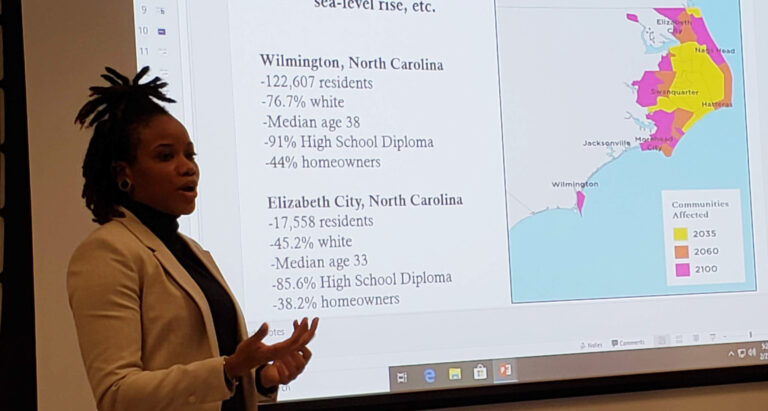
The Coastal Resilience Center (CRC), in partnership with the Department of City and Regional Planning at the University of North Carolina at Chapel Hill (DCRP) welcomed Dr. Julie Rosati on Thursday, Feb. 6, as part of its ongoing Natural Hazards Resilience Speaker Series. Dr. Rosati is the Technical Director in the Coastal and Hydraulics Laboratory for the U.S. Army Corps of Engineers (USACE) in Vicksburg, Miss. Her talk focused on both the history of the Corps and the ways in which they are using field research to address the four main goals of the program.

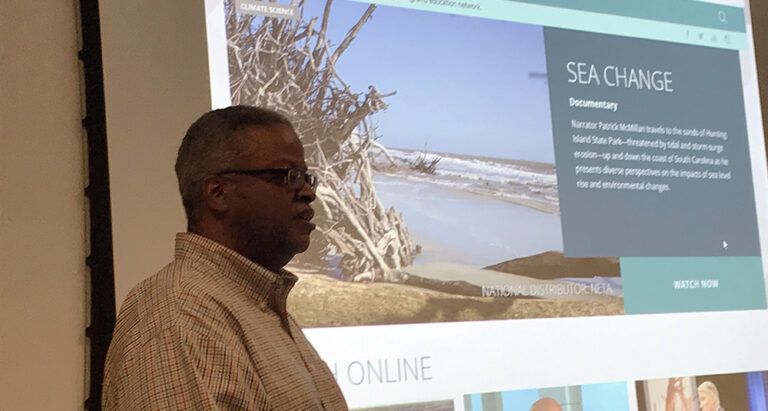
Albert George, founder of the Resilience Initiative for Coastal Education. Photo by Dr. Shaleen Miller.

Speaker focuses on sustainability of Gullah Geechee Corridor

On Jan. 30, I had the chance to hear from founder of the Resilience Initiative for Coastal Education (RICE), Albert George. George came to speak to students across various disciplines enrolled in the Natural Hazards Resilience Speaker Series, and share his experience performing on-the-ground participatory research to address natural hazard mitigation in the Lowcountry of South Carolina.

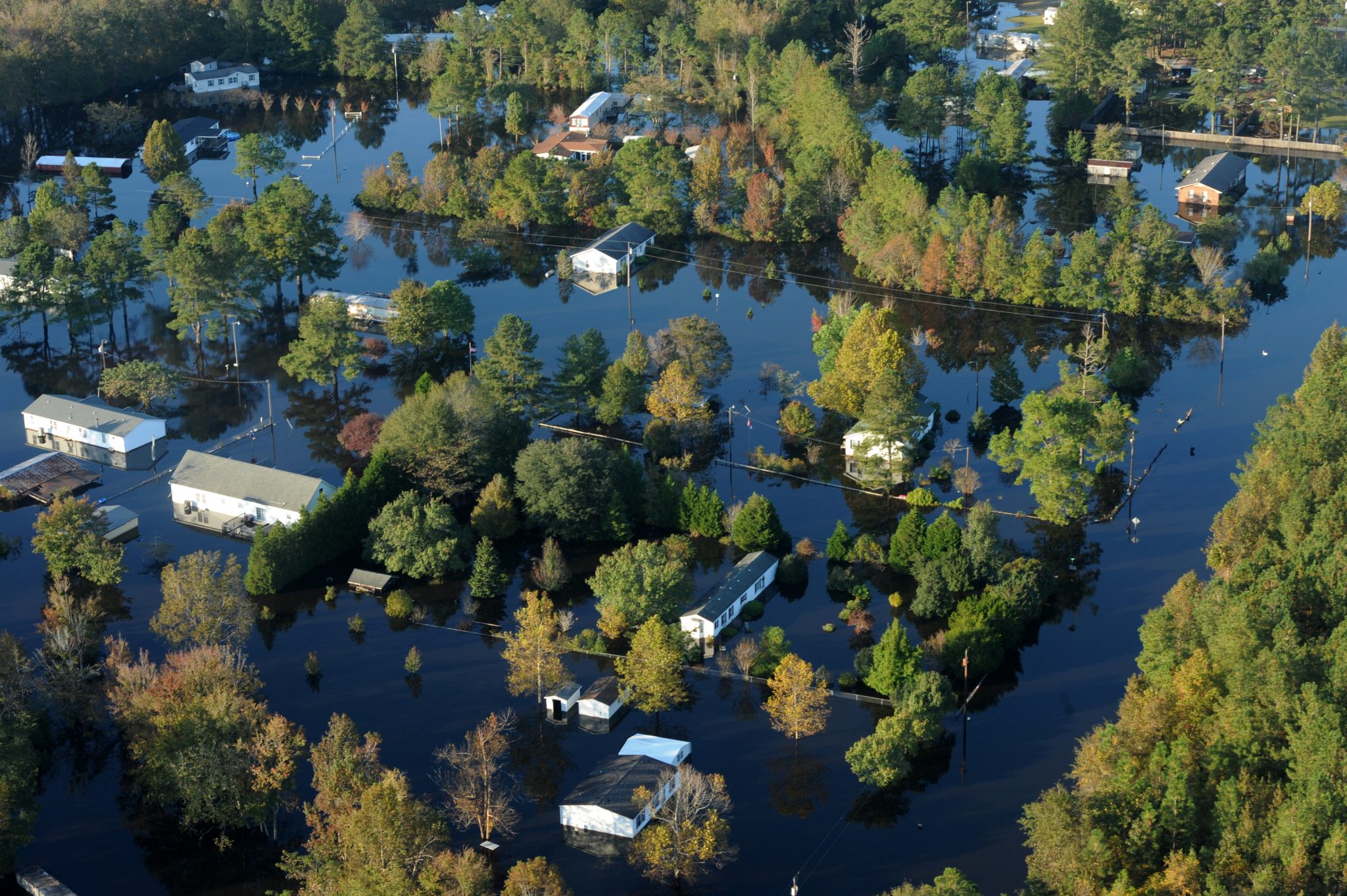
Floodwaters from Hurricane Matthew (2016) surround many houses in Craven County, N.C. Photo by Jocelyn Augustino/FEMA.

A conversation on statewide resilience

Amanda Martin, Deputy Chief Resilience Officer for the state of North Carolina, came to speak to our class for the UNC Natural Hazards Resilience Speakers Series on Jan. 23.

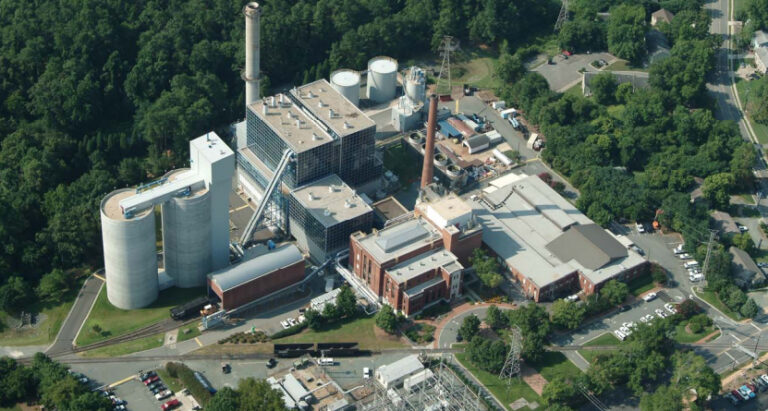
UNC-Chapel Hill’s cogeneration plant. Photo from the North Carolina Legislature.

Class learns about UNC’s district energy system

Have you ever wondered how your physics class is heated? How the student union stays cool in the summer? Or even just what powers the lights in the library? These questions might not seem that interesting, but when you consider that a campus like the University of North Carolina at Chapel Hill has more than 175 buildings to heat, cool and power, these questions become vital for sustainability.

HazNerds

HazNerds offers interdisciplinary gathering space for students

Once a week for the first semester of my PhD program, I would commute from Raleigh to Chapel Hill and back on the public bus, since I didn’t have a car, to be able to attend Dr. Gavin Smith’s Planning for Natural Hazards and Climate Change Adaptation course at the University of North Carolina at Chapel Hill.

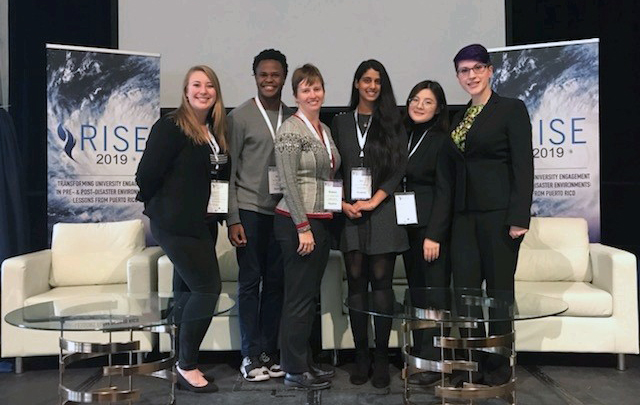
CRC funded five students to attend the 2019 RISE conference at the University of Albany. From left: Emily Gvino, Alex Halloway, UNC faculty member Dr. Shaleen Miller, Siri Nallaparaju, Kejing Zhou and Sarah Lipuma. Photo submitted.

CRC students engage with leaders at RISE conference

On Nov. 17-20, 2019, the Coastal Resilience Center sponsored five students from the University of North Carolina at Chapel Hill and Duke University to travel to New York for the University at Albany’s 2019 RISE conference. The conference’s theme centered on university engagement in pre- and post-disaster environments.

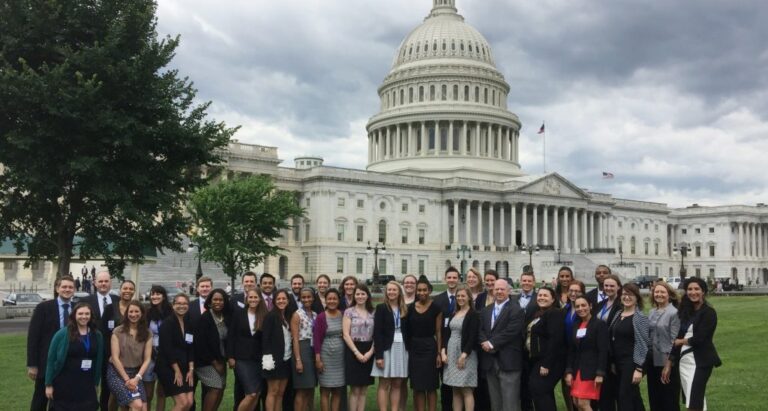
The 2018 AMS Summer Policy Colloquium participants prepare to meet with Congressional staff members.

Science and Policy: Perspectives and Opportunities

This June I attended the AMS SPC, where I had the opportunity to immerse myself in science policy through discussions with working professionals and hands-on exercises. The goal of the program is to arm scientists with expertise in the policy-making process and to help the scientific community engage with decision-makers. I believe it’s important for scientists to have a seat at the table when policy decisions are made to ensure available scientific knowledge is used to inform policy.