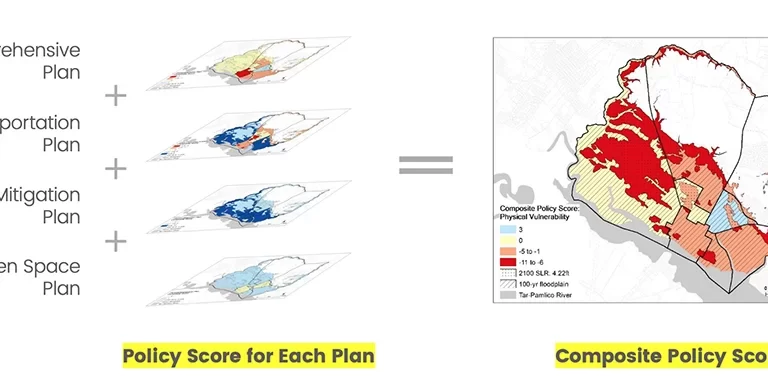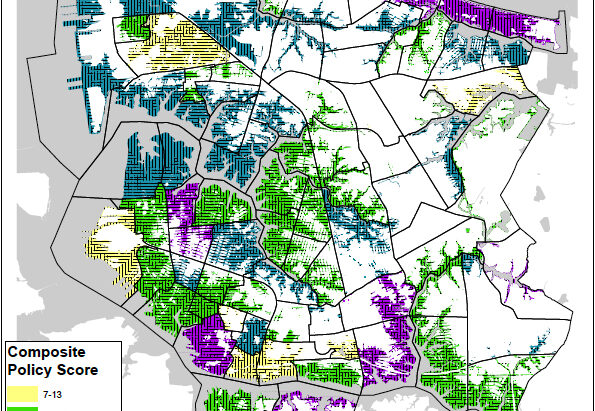
The Plan Integration Resilience Scorecard grades for Norfolk, Va., are shown.

Elevating resilience planning to protect communities

The Coastal Resilience Center, in partnership with UNC’s Department of City and Regional Planning, recently hosted American Planning Association’s (APA) Joe DeAngelis and Texas A&M’s Jaimie Masterson for a presentation on “Using Local Planning Tools to Build Community Resilience.”
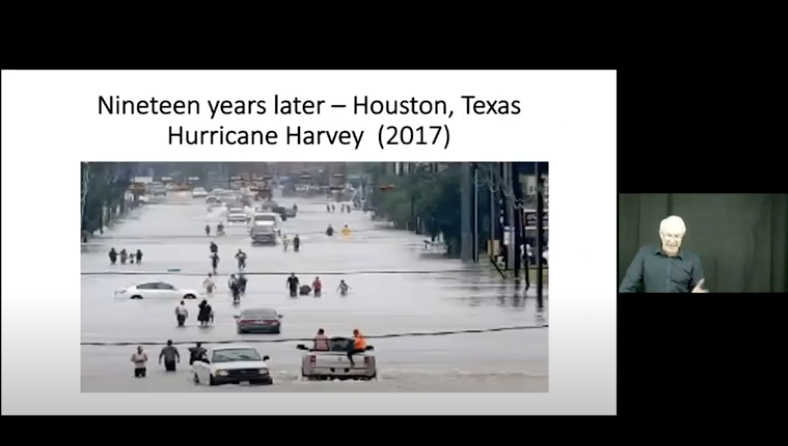
Donald Hornstein presents on flood insurance as part of the Natural Hazards Resilience Speakers Series in February.

The cost of flooding

Prof. Hornstein was a delightful speaker – candid, knowledgeable and enthusiastic. His presentation brought up many questions on the role of flood insurance, who it serves, and how the public should respond. Personally, this discussion resulted in three key takeaways: 1) Flooding is ubiquitous and expensive; 2) Disaster costs are political; and 3) Flood insurance should be accountable to the people.

JCSU summer camp reflections: Assessing risk for preparedness

Johnson C. Smith University, as part of a CRC project led by Dr. Ahmed Faik, holds multiple annual summer camps focused on applying STEM knowledge to disaster-related research. Students from this year’s camps – which were held online – reflected on their experiences.

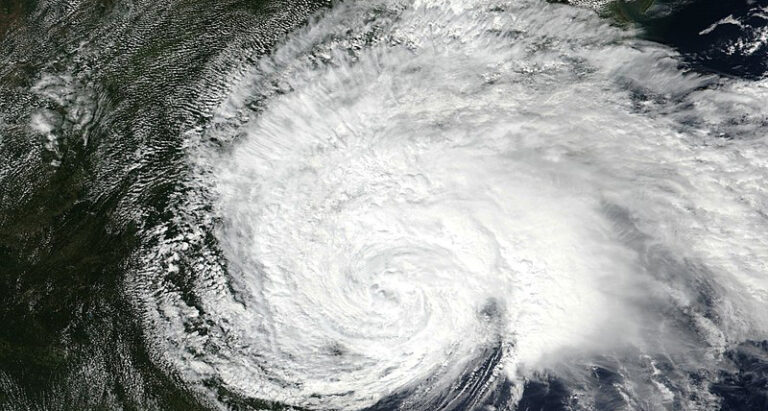
Hurricane Florence (2018), as captured over North Carolina by NASA satellites.

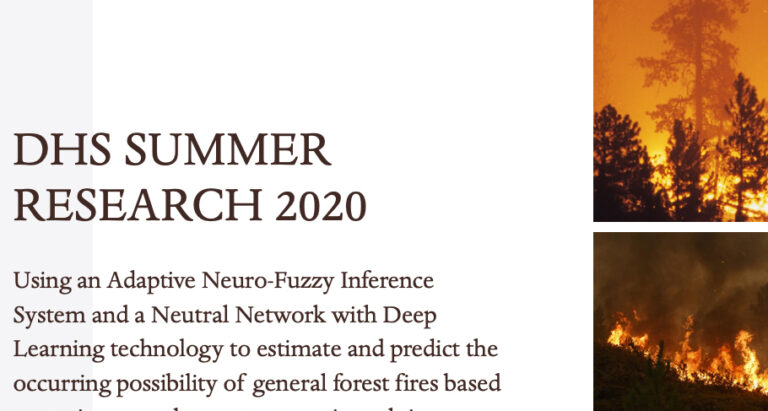
Thriving through the storm

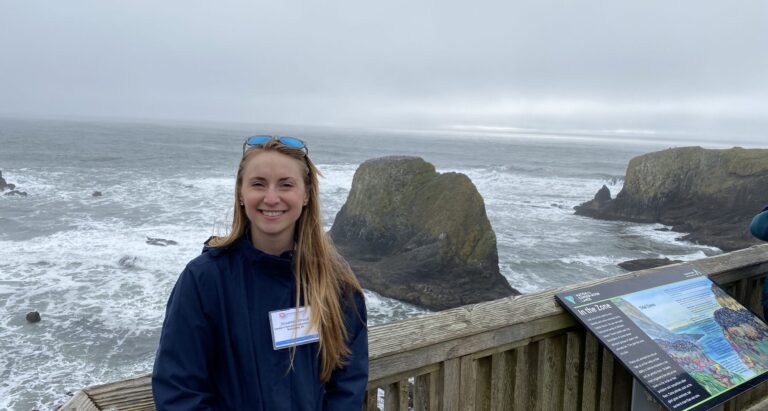
Dr. Liping Liu of North Carolina A&T University, along with first-year graduate student Tiana Johnson (who is focusing on Applied Mathematics), and undergraduate senior Jackson Wiles (who is majoring in Physics) partnered with CRC’s Dr. Rick Luettich in this year’s Summer Research Team (SRT) program.

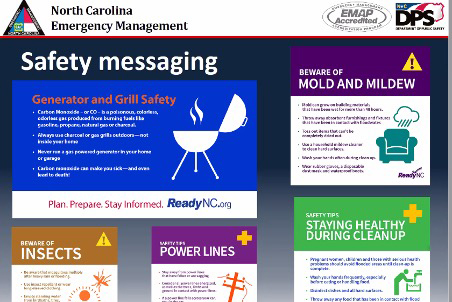
NCEM safety messaging

Rebuilding their trust in what we say: Public information’s new frontier

Public information is at the core of our public safety and natural disaster resilience work. It’s a reliable source we can turn to when outcomes are uncertain and emergency responses are ambiguous. But in a world where we’re constantly bombarded with growing misinformation, contentious mistrust of government and the scripted drama of endlessly breaking news, all of the efforts that go into providing reliable public information often go unseen and perhaps even undervalued.

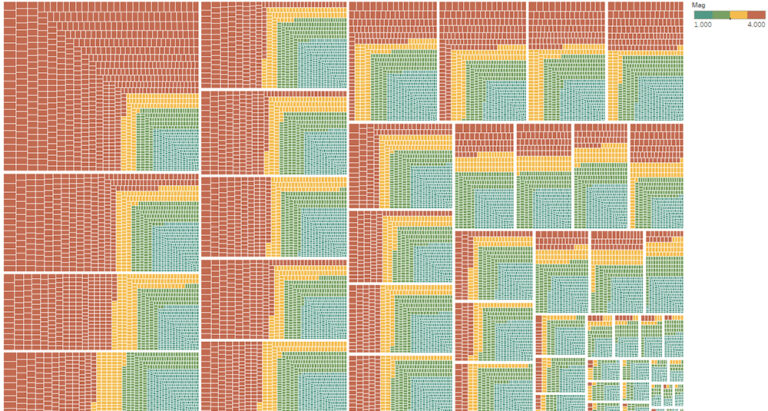
PIRS compares several types of plans and develops a composite score to show where gaps or incompatibility may make a community more vulnerable to hazards. Graphic by Chris A. Johns.

UNC Research Professor helps communities build a more resilient future

On April 9, 2020, the Natural Hazards Resilience Speaker Series had a guest lecture from UNC’s very own Dr. Phil Berke. Dr. Berke is a leader in community resilience planning, and he has recently returned to UNC after teaching at Texas A&M University. Dr. Berke’s current work surrounds the Plan Integration for Resilience Scorecard (PIRS), a framework used to assess the integration of community plans and the incorporation of resilience and hazard mitigation strategies in these plans.